The Geography of Flavor: Discovering Honey's Origins and Identity
- Marina C. Pallatt
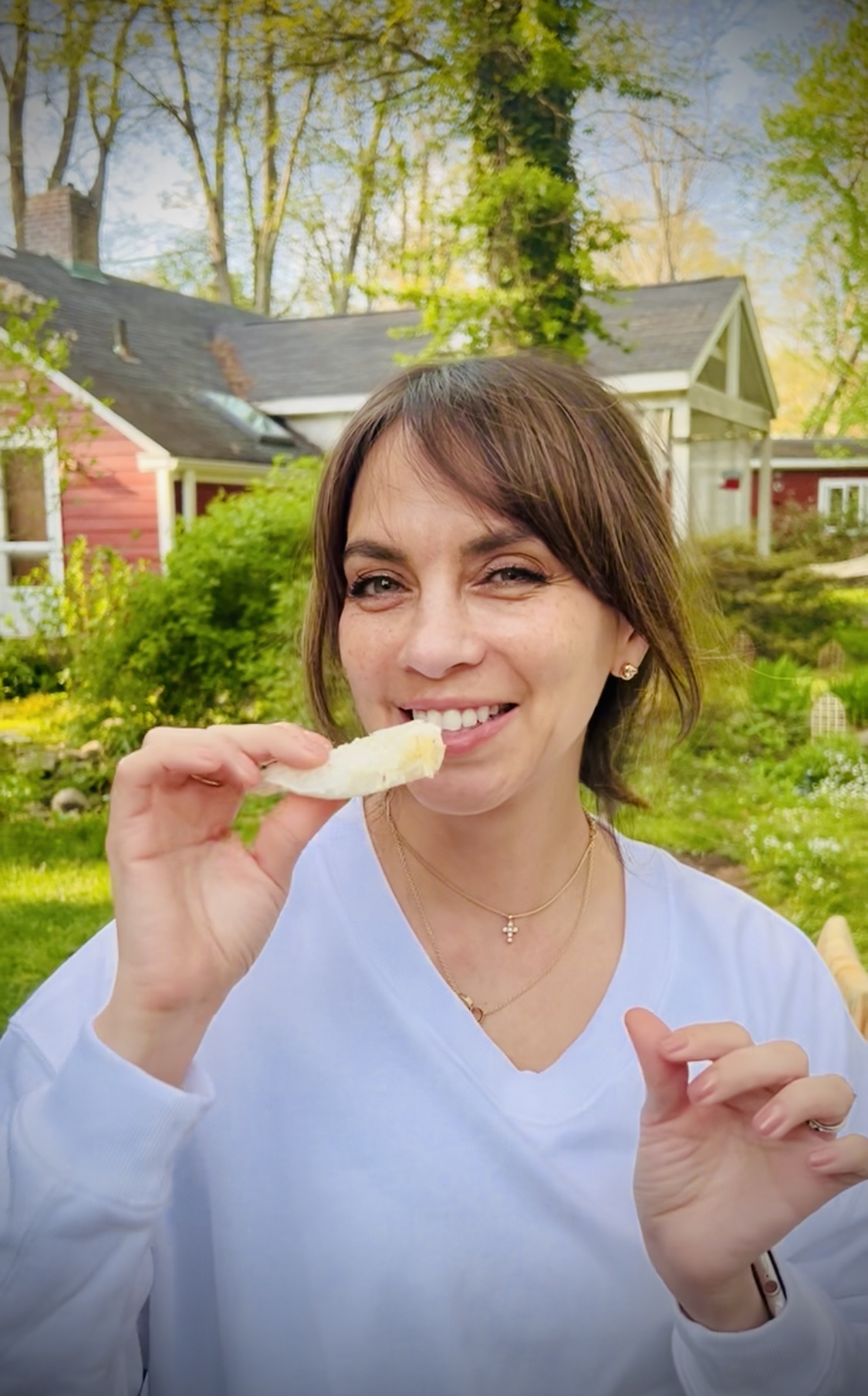
- Mar 29
- 3 min read
Honey is more than just a sweetener. It carries the story of its environment, the flowers bees visit, and the traditions behind its harvest. Understanding honey’s flavor means exploring its geography, climate, and culture. This journey into honey’s origins reveals how diverse and complex this natural product can be.
Marina Marchese’s book, The World Atlas of Honey, stands as the most thorough and intentional guide to honey sensory analysis and tasting. As a pioneer in bringing honey sensory education to the United States, Marchese has elevated honey to the same level of appreciation as wine and coffee. Her expertise and passion have shaped how honey is understood and enjoyed today.

THe World Atlas of Honey by C. Marina Marchese
How Geography Shapes Honey Flavor
The flavor of honey depends heavily on where it comes from. Bees collect nectar from local flowers, and the types of plants available vary by region. This creates a unique flavor profile for each honey, much like how wine reflects its vineyard’s terroir.
Floral sources: Different flowers produce nectar with distinct tastes. For example, orange blossom honey has a citrusy sweetness, while buckwheat honey offers a robust, malty flavor.
Climate and soil: Temperature, rainfall, and soil quality influence the nectar’s composition. Honey from a dry, sunny region will taste different than honey from a cool, wet area.
Seasonal changes: The time of year affects which flowers bloom and how nectar develops. Spring honey often tastes lighter and fresher, while late summer honey can be richer and more intense.
Marina Marchese’s work highlights how these factors combine to create honey’s identity. She encourages tasters to think of honey as a reflection of its environment, not just a sweet treat.
The Art and Science of Honey Tasting
Honey tasting is a skill that requires attention and practice. Marchese trained as a sommelier using the Italian method of honey sensory analysis, which focuses on identifying flavors, aromas, and textures.
Key steps in honey tasting include:
Visual inspection: Observe the color and clarity. Honey ranges from pale gold to deep amber, and these shades hint at the floral source.
Aroma evaluation: Smell the honey to detect floral, fruity, or earthy notes.
Taste testing: Let the honey spread across the tongue to experience its sweetness, acidity, bitterness, and aftertaste.
Texture assessment: Notice the body and mouthfeel, from smooth and creamy to thick and grainy.
This methodical approach reveals honey’s complexity and helps distinguish varieties. It also supports the idea that honey deserves the same respect as other terroir-driven foods.

Why Honey’s Origin Matters
Knowing where honey comes from adds value and meaning to the experience. It connects consumers with the land and the people who produce it. This connection supports sustainable beekeeping and encourages appreciation for biodiversity.
Supporting local producers: Buying honey from specific regions helps small-scale beekeepers maintain their craft.
Protecting ecosystems: Bees rely on healthy environments. Understanding honey’s origin promotes conservation efforts.
Enhancing culinary use: Chefs and home cooks can select honey that complements dishes based on its flavor profile.
Marina Marchese’s professional training programs at americanhoneytastingsociety.com teach these principles. They offer a deeper understanding of honey’s sensory world and its cultural significance.
Finding the Right Honey for You
With so many types of honey available, choosing the right one can be overwhelming. Marchese’s book, available on Amazon here, serves as an essential reference for anyone interested in honey tasting and analysis.
Consider these tips when selecting honey:
Look for single-flower honeys to explore distinct flavors.
Try regional varieties to experience local terroir.
Use honey in recipes that highlight its unique taste, such as drizzling buckwheat honey over cheese or adding orange blossom honey to tea.
By learning about honey’s geography and sensory qualities, you can enjoy it more fully and make informed choices.
The Future of Honey Appreciation
Marina Marchese’s work has opened new doors for honey lovers and professionals alike. Her dedication to education and sensory analysis is shaping a future where honey is recognized as a complex, terroir-driven food.
Whether you are a beekeeper, chef, or curious consumer, exploring honey’s origins enriches your experience. It invites you to taste the land, understand the bees’ journey, and celebrate the diversity of this remarkable natural product.
Discover more about honey’s world through The World Atlas of Honey and consider joining professional training at americanhoneytastingsociety.com to deepen your knowledge.


Comments